 Language: English
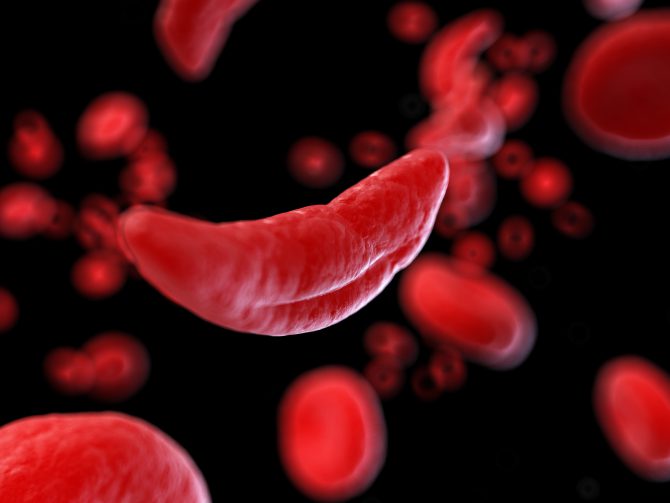
The Sickle Cell Disease Coalition Research & Clinical Trials Working Group is focused on distilling key sickle cell disease (SCD) information presented at national conferences and disseminating it to the SCD community. Each summary is written in plain language to ensure comprehension of topics covered. This summary is from the 2020 American Society of Hematology Annual Meeting. The original abstract “Optimizing the Management of Chronic Pain in Sickle Cell Disease” is available online as well. Research highlights the challenges of managing chronic pain in sickle cell disease Every year, the American Society of Hematology meets to talk about new research. At its 2020 meeting, researchers and doctors shared what they have learned about optimal approaches to managing chronic pain in persons living with SCD. Chronic pain in SCD is pain that occurs on most days and lasts for more than 6 months. It can occur during childhood and happens more often as a person gets older and experiences more SCD complications over time that contribute to pain. More than half of adults with SCD have pain on more than half of the days and another third have pain on almost every day. Persons living with SCD often seek help for underlying chronic pain, which can be difficult to separate from their usual acute vaso-occlusive crises. In treating chronic pain in SCD, the challenge is separating out non-SCD related causes from chronic pain resulting from SCD. This difference is important because it can guide treatment options and how effective the treatment will be. Chronic pain in SCD is often associated with depression and anxiety, not unlike other chronic pain syndromes. Persons living with SCD and who also have chronic pain can also have problems sleeping and suffer from fatigue. Both acute and chronic pain in SCD are typically treated with opioids, which present another set of problems. Other treatment approaches that are more effective are needed. Researchers have learned: Emerging data suggest that chronic opioid therapy is not a good treatment strategy for chronic pain in SCD and other forms of chronic pain. Continuing use of high doses of opioids can actually make chronic pain in SCD worse and can cause depression and many other painful and non-painful complications. Persons living with SCD who take high doses of opioids over time face multiple additional health problems that can lower their quality of life if other treatment approaches are not tried. Persons living with SCD receiving chronic opioids may not be asked about symptoms of opioid withdrawal when they have worsening pain, and symptoms of opioid withdrawal may be thought to be related to an acute vaso-occlusive crisis. Failure to treat opioid withdrawal promptly with opioids and supportive care may lead to dehydration and other forms of distress, resulting in hospitalization for severe pain. Researchers are beginning to understand how some conditions that occur along with SCD and cause pain can be hidden from view or missed because they mimic the pain associated with vaso-occlusive crises in SCD. These include some “autoimmune disorders” such as rheumatoid arthritis. Neuropathic pain, which can feel like shooting, numbing, sharp, or burning pain, might also be the cause of chronic pain in SCD. Because it might be missed, patients might not be receiving the right medication for that type of pain. These research findings highlight the need for a multidisciplinary team approach to address the medical and psychosocial factors behind chronic pain in SCD. Clinicians should keep an open mind when treating chronic pain in SCD and consider the possibility of other factors contributing to the pain. This could lead to a more appropriate treatment approach that is more effective in providing pain relief. Treatment strategies should focus on preventing or reducing the number of acute crises (by optimizing SCD directed treatment) and on moving from high-dose daily opioids to safer options for pain medication when appropriate. Keep in mind The results of research studies are always limited in what they can and can’t tell you. Research to date has involved a small number of patients or relied on case studies. Larger studies will be needed to know how to better determine the causes of chronic pain in persons living with SCD. Remember chronic pain is often not caused by one single factor alone but by a combination of factors. Treating chronic pain must include not only medications (opioids and non-opioids) but also various non medication interventions such as physical therapy, mindfulness, psychotherapy, acupuncture, and distraction techniques. Greater understanding can lead to more tailored and effective treatments for individual patients. Always consult your doctor before entering a clinical trial. Questions to ask your doctor • What other possible conditions could be contributing to my chronic pain besides vaso-occlusive crises or SCD? • Am I taking the best approach for treating my pain? Is there anything else I should do or stop doing? • Are there clinical trials I could join? Access the American Society of Hematology Research Collaborative’s SCD Clinical Trials Pamphlet to learn more about clinical trials for SCD.


